 Save
Save My neighbor stopped by on a chilly October afternoon with a bunch of kale from her garden, and I'll admit I stared at it like it might bite me. She laughed and suggested I try warming it instead of the usual raw salad route, then left before I could ask questions. That one small idea changed everything—within twenty minutes, my kitchen smelled like toasted pecans and maple, and I was genuinely excited about kale for the first time in my life.
I made this for a book club gathering last November, nervous that vegetarian-leaning food might feel too simple for the group. Instead, three people asked for the recipe before they'd even finished eating, and someone came back to the kitchen asking if she could watch me make the dressing. That's when I realized this salad had a kind of quiet confidence that made everyone feel a little smarter for eating it.
Ingredients
- Curly kale (1 large bunch, about 8 cups): Choose the darkest leaves you can find and don't skip removing the tough stems—they're bitter and chewy, and your hands will thank you later.
- Olive oil (4 tablespoons total): Use a decent one you actually like tasting, since it's doing real work here and not hiding in a cooked sauce.
- Sea salt (1/2 teaspoon total): The first bit goes on the raw kale to soften it, the second into the dressing for balance—don't combine them or you'll either oversalt or undersalt without meaning to.
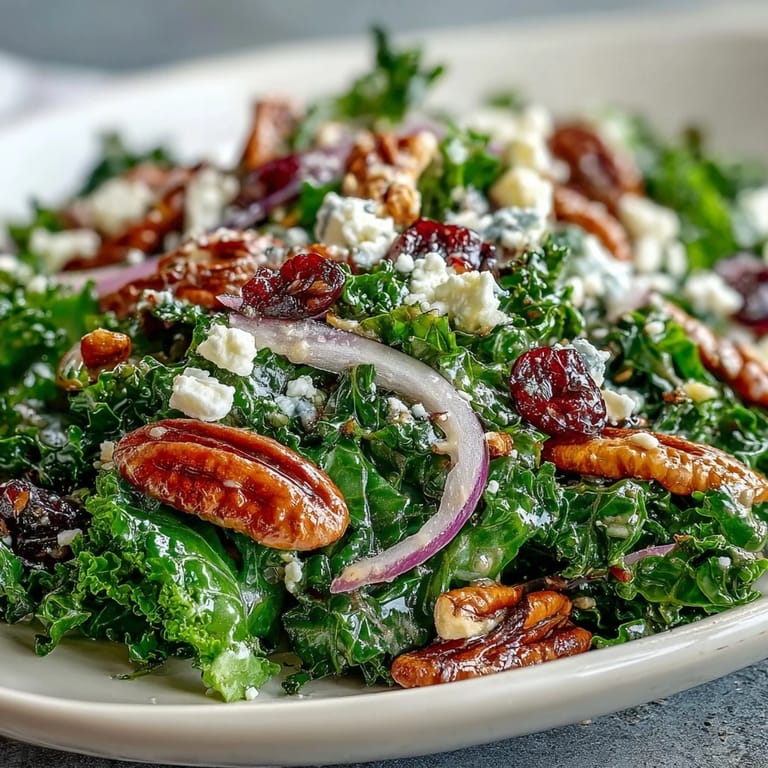
- Dried cranberries (1/3 cup): These add a chewy sweetness that keeps the salad from tasting like health food, and they plump up slightly from the warmth of the dressing.
- Toasted pecans or walnuts (1/3 cup, roughly chopped): Toast them yourself if you can—the difference between pre-toasted and freshly toasted is the difference between a nice salad and one that sticks in your memory.
- Red onion (1/4 small, thinly sliced): Slice it paper-thin so it doesn't overpower, and the warmth of the salad will soften its sharpness just enough.
- Pure maple syrup (3 tablespoons): Don't use the pancake syrup with the fancy label—pure maple is worth those extra dollars here.
- Dijon mustard (2 tablespoons): It might sound like an odd choice, but it cuts through the sweetness and adds sophistication you won't expect.
- Apple cider vinegar (2 tablespoons): This is the secret backbone—it keeps everything bright and prevents the dressing from feeling heavy or cloying.
- Feta cheese (1/4 cup, crumbled, optional): If you use it, let it be salty enough that you don't need extra seasoning—good feta makes the whole dish feel intentional.
Tired of Takeout? 🥡
Get 10 meals you can make faster than delivery arrives. Seriously.
One email. No spam. Unsubscribe anytime.
Instructions
- Massage Your Kale Into Submission:
- Pile the torn kale into a large bowl, drizzle with that first tablespoon of olive oil, and sprinkle salt over it. Now get your hands in there and massage for 2 to 3 minutes—really work it until the leaves go from tough and dark to bright and silky. You'll feel it soften under your fingertips, and that's exactly what should happen.
- Warm the Dressing Into a Silky Pour:
- In a small saucepan over low heat, whisk together the maple syrup, mustard, vinegar, pepper, and salt until they stop looking separate. Once it's warm and unified, slowly add the 3 tablespoons of olive oil while whisking constantly—this emulsification is what makes it coat the kale instead of pooling at the bottom.
- Marry Kale and Dressing While Everything Warms:
- Pour that warm dressing right over your massaged kale and toss it like you mean it, making sure every leaf gets kissed by the glaze. The warmth will continue to soften the kale while the dressing soaks in, so don't hold back.
- Build Your Bowl with Texture:
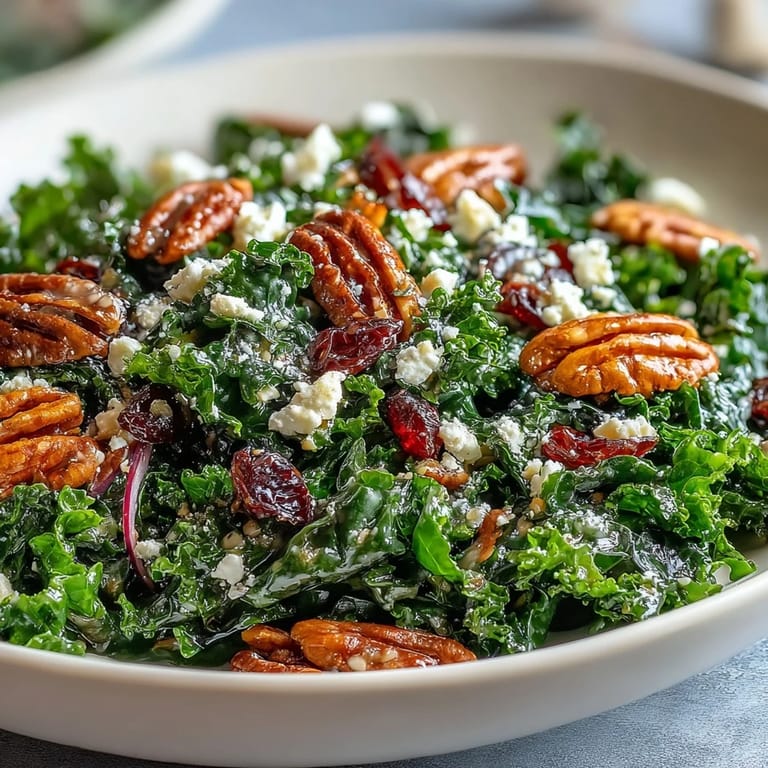
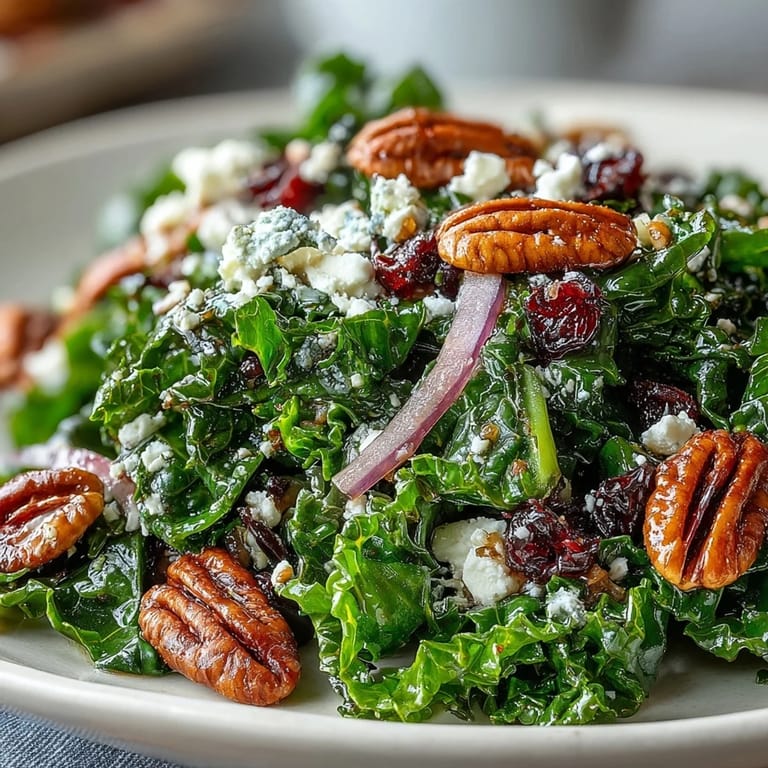
- Add the cranberries, toasted nuts, and sliced red onion, tossing gently so you don't break everything into sad bits. Each component should feel like it was meant to be there, not like you threw random things together.
- Finish and Serve Immediately:
- Transfer to a serving platter or individual bowls, scatter the feta on top if you're using it, and serve while everything still has warmth and character. Cold leftovers won't have the same magic, so eat this one fresh.
 Save
Save There was a moment at that book club where someone said, almost surprised, that warm salad felt like self-care instead of deprivation. I think that's when this dish became more than just a clever way to eat greens—it became proof that good food doesn't have to be complicated to make you feel genuinely taken care of.
When to Serve This Salad
This is the kind of salad that whispers, not shouts, so serve it when you want something that nourishes without demanding attention. It works as a side to grilled chicken or roasted salmon, but it also stands beautifully on its own as a light dinner, especially in fall and winter when your body wants something warmer than the typical raw salad fare.
Building Your Own Version
Once you make this once, you'll start seeing variations everywhere. The maple-mustard dressing is sturdy enough to handle roasted butternut squash or sliced apples if you want to lean into autumn flavors, and nobody will judge you for swapping pecans for walnuts or even trying sunflower seeds if nuts aren't your thing. The beauty is that this framework is flexible without becoming unrecognizable.
Storage and Make-Ahead Secrets
Here's the reality: this salad is best served fresh and warm, but you can absolutely prep components ahead and assemble just before eating. Toast your nuts the night before, make the dressing in the morning and reheat it gently, and massage your kale up to an hour early. When guests are coming or you're tired after work, having pieces ready makes pulling it together feel effortless instead of stressful.
- Massage the kale and store it in an airtight container for up to a few hours—it will stay tender and be ready for dressing.
- Make the dressing a full day ahead and keep it covered in the fridge, then reheat it gently on low until it's warm again.
- Chop your nuts and slice your onions early, leaving the cranberries for last since they can absorb moisture and change texture if they sit too long.
 Save
Save This warm kale salad taught me that comfort food doesn't have to be heavy, and that sometimes the best discoveries come from neighbors with garden vegetables and an offhand suggestion. Make it for yourself on a quiet evening, or make it for people you want to impress—either way, you'll understand why it became a regular in my kitchen.
Recipe FAQs
- → Why massage the kale?
Massaging kale with olive oil and salt breaks down the tough cell walls, transforming bitter, fibrous leaves into tender, silky greens that absorb dressing beautifully and taste much more enjoyable to eat raw.
- → Can I make this ahead?
The dressed kale holds up well for 1-2 days in the refrigerator, though it's best served warm. Add the nuts and cranberries just before serving to maintain their texture, and reheat gently if desired.
- → What nuts work best?
Pecans provide a buttery sweetness that complements the maple, while walnuts offer a slightly earthier note. Both toast beautifully and add essential crunch to this dish.
- → Is the warm dressing necessary?
Warming the maple-mustard dressing helps it emulsify better and wilt the kale slightly, making it more tender. The warmth also intensifies the maple flavor and creates a comforting eating experience.
- → Can I use baby kale?
Baby kale works well and doesn't require massaging since it's naturally tender. Simply dress and toss—it's a great time-saver if you prefer a quicker preparation method.
- → How do I toast the nuts?
Spread nuts in a single layer on a baking sheet and toast at 350°F for 5-8 minutes, shaking halfway through. Alternatively, toast in a dry skillet over medium heat for 3-5 minutes until fragrant.