 Save
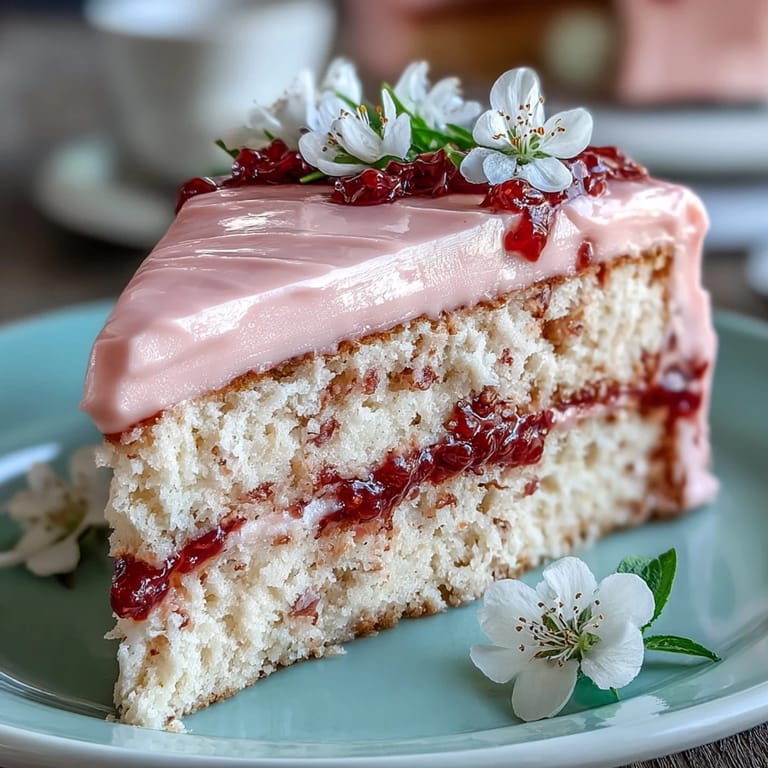
Save My sister called me three weeks before her birthday and asked if I could make her a cake that felt like spring itself. She'd been stuck indoors all winter, and when she described what she wanted—soft pastels, delicate florals, nothing too serious—I realized this vanilla cake with its creamy buttercream was exactly what the moment called for. There's something about baking a cake specifically for someone that turns the whole process into a love letter, one layer at a time.
I remember standing in my kitchen at 6 AM on her birthday, three cake pans cooling on racks while morning light streamed through the window. My hands were sticky with buttercream as I tinted each bowl—pink for coral hints, lavender for dreamy depth—and I kept thinking about how she'd smile when she saw it. That's when baking stops being a task and becomes something that matters.
Ingredients
- All-purpose flour (2 ½ cups): Room-temperature ingredients make all the difference here, and sifting the flour helps it blend smoothly without developing gluten.
- Baking powder (2 ½ tsp): This is your lift; it makes the cake tender and light, so don't skimp or substitute.
- Salt (½ tsp): A pinch balances the sweetness and deepens the vanilla flavor in unexpected ways.
- Unsalted butter (1 cup for cake, 1 ½ cups for frosting): Soft butter creams easily and holds air, which is what gives you that fluffy texture you're after.
- Granulated sugar (2 cups): Beating this with butter for 3 to 4 minutes creates tiny air pockets that make the cake rise beautifully.
- Eggs (4 large, room temperature): Cold eggs won't incorporate smoothly, so take them out of the fridge while you're prepping everything else.
- Pure vanilla extract (1 tbsp for cake, 2 tsp for frosting): The vanilla is honestly the star here—it's why people come back for seconds and ask for your recipe.
- Whole milk (1 cup for cake, ¼ cup for frosting): Room-temperature milk blends seamlessly and keeps the crumb delicate.
- Powdered sugar (6 cups, sifted): Sifting removes lumps before you start, so your buttercream stays silky and smooth.
- Gel food coloring: Gel colors are more concentrated than liquid, so a tiny drop goes a long way and won't thin out your frosting.
- Edible flower petals and sprinkles: These are your finishing flourishes—optional but they transform the cake into something that feels like a garden party.
Tired of Takeout? 🥡
Get 10 meals you can make faster than delivery arrives. Seriously.
One email. No spam. Unsubscribe anytime.
Instructions
- Prepare your pans and oven:
- Preheat the oven to 350°F (175°C) and grease three 8-inch round pans, then line the bottoms with parchment paper—this ensures your layers slide out cleanly. Having everything ready before you start mixing is the secret move that saves you stress.
- Mix the dry ingredients:
- Whisk together flour, baking powder, and salt in a medium bowl until evenly combined. This distributes the leavening agent throughout, so you get consistent rise.
- Cream butter and sugar:
- Beat soft butter with granulated sugar on medium-high speed for 3 to 4 minutes until the mixture looks pale and fluffy—this is where air gets incorporated, making your cake light. Stop occasionally to scrape the bowl so everything gets mixed evenly.
- Add eggs one at a time:
- Beat well after each egg so it fully incorporates before adding the next one. This gradual approach helps the batter stay emulsified and stable.
- Alternate wet and dry ingredients:
- Start with flour, then milk, then flour again, mixing just until each addition disappears—overmixing develops gluten and makes the cake dense. The batter should look smooth and pourable, not overly worked.
- Divide and bake:
- Pour the batter evenly into the three prepared pans and smooth the tops gently. Bake for 25 to 30 minutes until a toothpick inserted in the center comes out with just a few moist crumbs.
- Cool the layers:
- Let cakes rest in the pans for 10 minutes so they set slightly, then turn them out onto a wire rack to cool completely. Cooling fully prevents the frosting from melting when you assemble.
- Make the buttercream:
- Beat soft butter until creamy, then gradually add sifted powdered sugar in batches—this prevents lumps from forming. Add milk, vanilla, and salt, then beat for 3 to 4 minutes until fluffy and smooth.
- Tint the frosting:
- Divide the buttercream into separate bowls and add a tiny bit of gel food coloring to each, stirring until the color is even. Pastels look best when you use just a drop or two of color.
- Layer the cake:
- Place the first cake layer on your serving plate, spread buttercream on top, then repeat with the remaining layers. Make sure the layers are level so the cake doesn't lean.
- Apply the crumb coat:
- Spread a thin layer of buttercream over the entire cake to seal in crumbs, then chill for 20 minutes. This coat keeps your final frosting looking clean and polished.
- Decorate with piped flowers:
- Fill piping bags with colored buttercreams and use various tips to pipe petals, borders, and floral designs onto the cake. Work slowly and have fun—the small imperfections make it look homemade and charming.
- Final chill and serve:
- Refrigerate the finished cake for 15 to 20 minutes so the buttercream sets before slicing. Chilled cake is easier to cut cleanly.
 Save
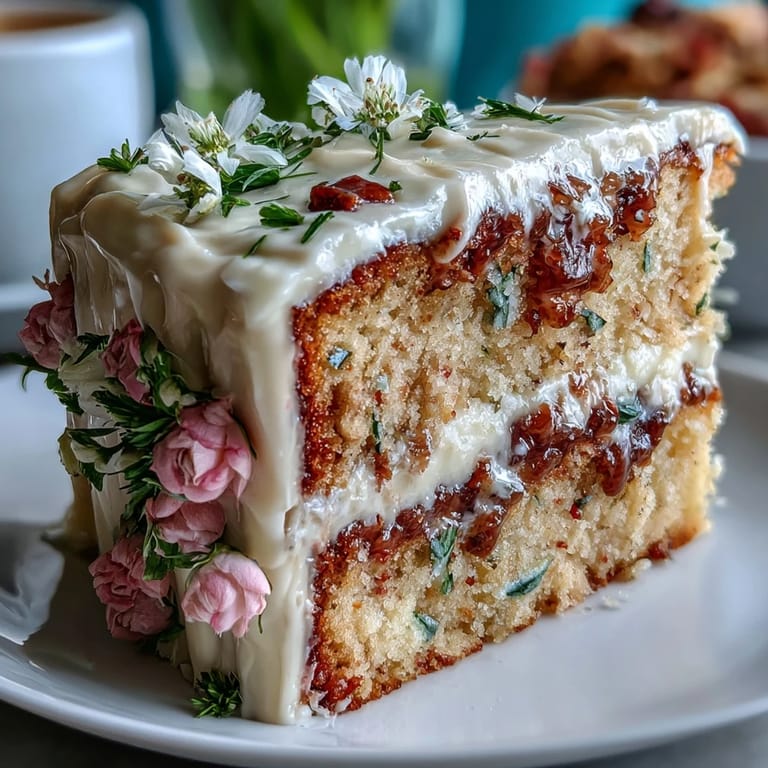
Save When my sister walked into the kitchen and saw that cake sitting on the table, the way her face lit up made every minute of careful piping worth it. She said it was too pretty to cut for a moment, and then we laughed together and sliced into it anyway.
Why Room Temperature Really Matters
I learned this the hard way when I once forgot to take eggs out of the fridge and ended up with a batter that looked curdled and separated. Room temperature ingredients emulsify together smoothly, which means they bind into a homogeneous mixture instead of clumpy and broken. It sounds fussy, but it takes five minutes of planning and makes the difference between a cake that's tender and one that's dry.
The Art of Pastel Piping
Soft pastel colors feel more sophisticated and less harsh than bright buttercream shades, and gel food coloring gives you control that liquid colors don't. Start with just a tiny drop—you can always add more color, but you can't take it out. One evening I spent way too long trying to lighten a buttercream that had turned hot pink, and I learned that patience with the color palette saves you from an hour of frustration.
Timing and Temperature for Perfect Assembly
The crumb coat is your secret weapon—it seals in loose crumbs and gives you a smooth canvas for piping flowers and details. That 20-minute chill matters because it firms up the frosting enough that your piping bag stays precise without the cake falling apart underneath. Here are the timing tricks that kept my cake from becoming a melted mess:
- Make sure your cake layers are completely cool before frosting, or the heat will melt the buttercream and cause sliding.
- Chill between each step—after assembly, after the crumb coat, and before serving—so the buttercream stays firm and holds its shape.
- If your kitchen is warm, work quickly and keep the decorated cake in the fridge until guests arrive so the colors stay vivid and the flowers stay sharp.
 Save
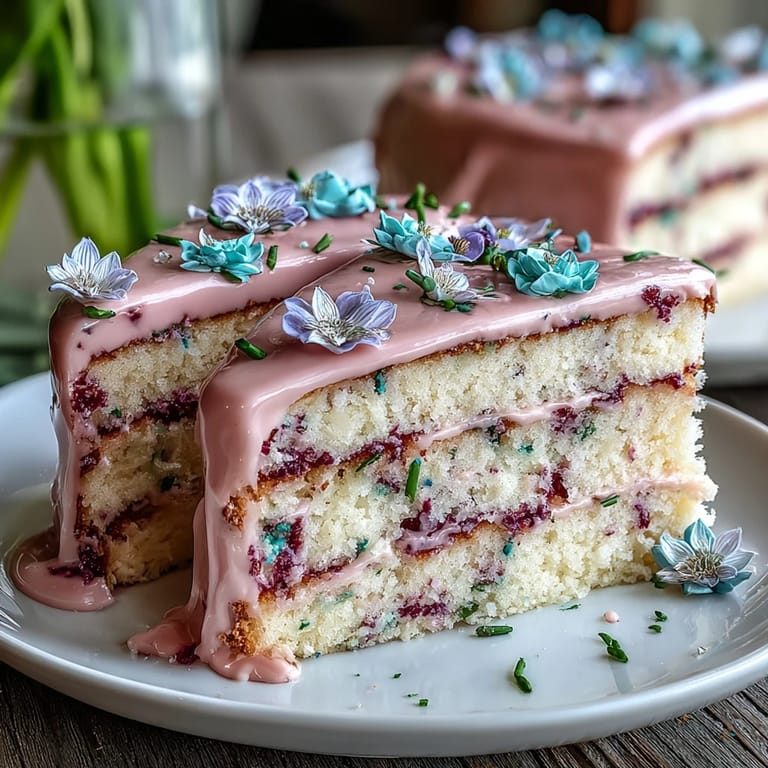
Save This cake feels like celebration in layer form, and the pastel colors make it feel special without being complicated. Bake it for someone you love, or bake it just because spring deserves a cake that looks as bright as it feels.
Recipe FAQs
- → How do I achieve soft pastel colors in the buttercream?
Use gel food coloring sparingly, adding a small amount at a time until the desired pastel shade is reached without overpowering the buttercream’s texture.
- → Can I prepare the cake layers in advance?
Yes, the layers can be baked a day before and tightly wrapped to maintain moisture before layering and decorating.
- → What is the best way to pipe floral designs on the cake?
Use piping bags with assorted tips like petal and leaf nozzles, applying steady pressure while rotating the cake for smooth, natural patterns.
- → How do I prevent the cake from drying out?
Ensure not to overbake, and brush layers with a light syrup if desired before applying buttercream to lock in moisture.
- → Are there alternatives to gel coloring for natural colors?
Yes, natural options include beet juice for pink, turmeric for yellow, spirulina for green, and blueberry juice for blue tones.