 Save
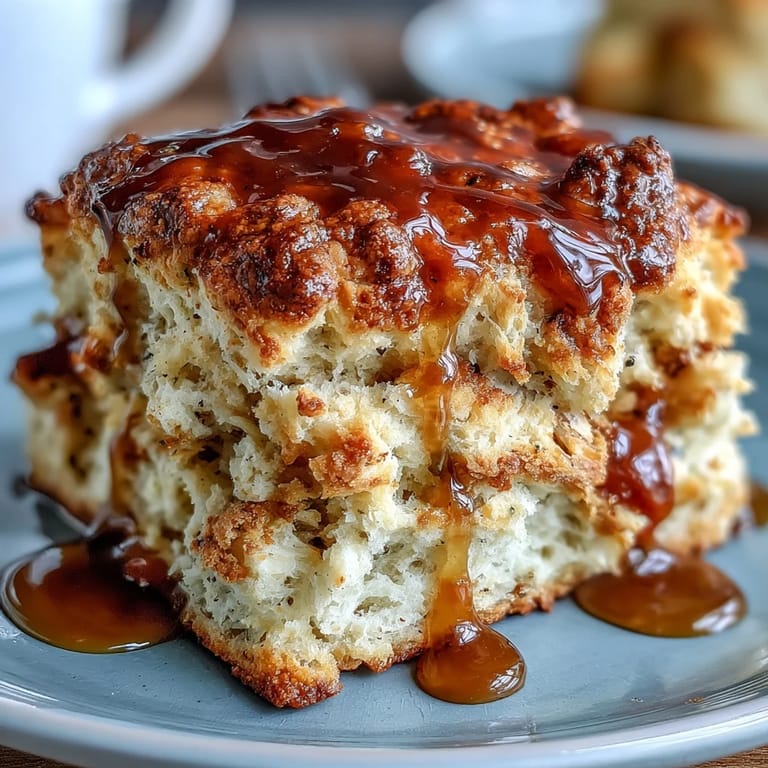
Save My neighbor Sarah handed me a jar of dandelion petals one April morning, insisting I do something interesting with them beyond tea. That afternoon, golden sunlight streaming through my kitchen window, I found myself brushing tender scones with honey and those cheerful yellow flowers, realizing springtime had finally given me permission to bake something whimsical. The scones turned out impossibly tender, the dandelion flavor delicate rather than aggressive, and somehow tasting exactly like that particular moment when winter loosens its grip.
Last May I made these for my sister's unannounced visit, and she actually cried a little when she bit into one still warm from the oven—not because they were perfect, but because the whole thing felt like I'd somehow captured the exact feeling of that particular spring morning we'd both been missing. We sat on the porch with clotted cream on our fingers and didn't need much conversation beyond "make these again, please."
Ingredients
- All-purpose flour (2 cups): Use the type you'd normally reach for; cake flour makes them too tender and bread flour too tough, so stay confident with standard all-purpose.
- Granulated sugar (1/4 cup): This sweetness doesn't compete with the honey and dandelions, just provides structure and a subtle backdrop.
- Baking powder (1 tbsp): Check the expiration date because stale baking powder won't give you that crucial lift and puff.
- Fine sea salt (1/2 tsp): A pinch that wakes up the subtle floral notes without announcing itself.
- Unsalted butter (1/2 cup, cold and cubed): The butter must be cold—straight from the fridge, even slightly frozen—or your scones will spread instead of rise into those gorgeous layers.
- Whole milk (2/3 cup, cold): Cold milk keeps the butter from melting too quickly into the dough, which preserves texture and flakiness.
- Dandelion petals (2 tbsp fresh, pesticide-free): Only the bright yellow petals matter; the white base and any green parts taste bitter and ruin everything, so be selective and patient with your harvesting or purchasing.
- Honey (2 tbsp): Choose a clear honey over darker varieties here; the flavor will be gentler and let the dandelions shine.
- Large egg (1): This binds everything together and contributes to that tender crumb that makes people reach for seconds.
- Honey for drizzling (1 tbsp): Warm this slightly before drizzling so it soaks into the warm scones rather than sitting on top.
- Dandelion petals for garnish (2 tbsp): Save the prettiest petals for the top so they stay vibrant and visible.
- Clotted cream for serving: If you can't find real clotted cream, whipped cream works but isn't quite the same richness; mascarpone is actually a lovely alternative that adds a subtle tang.
Tired of Takeout? 🥡
Get 10 meals you can make faster than delivery arrives. Seriously.
One email. No spam. Unsubscribe anytime.
Instructions
- Prepare your workspace:
- Heat the oven to 400°F and line your baking sheet with parchment paper so you'll have one less thing to worry about when your hands get floury.
- Mix the dry foundation:
- Whisk flour, sugar, baking powder, and salt together in a large bowl—this distributes the leavening evenly so your scones rise uniformly and don't develop weird dense pockets.
- Work in the cold butter:
- Cut the cold butter into small cubes and drop them into the flour mixture, then use a pastry cutter, two knives, or your fingertips to work it until everything looks like coarse breadcrumbs with some pea-sized butter pieces still visible. This step feels tedious but creates those tender layers everyone loves, so don't rush it or you'll lose the magic.
- Combine the wet ingredients:
- In a separate small bowl, whisk together cold milk, honey, egg, and the 2 tablespoons of dandelion petals until they're distributed throughout—the yellow specks throughout the dough will look beautiful and promise the floral flavor to come.
- Bring dough together gently:
- Pour the wet mixture into the dry ingredients and stir with a fork—and this matters—stop as soon as everything is barely combined and still looks slightly shaggy. Overmixing develops gluten, which makes scones tough instead of tender, a mistake I made twice before someone whispered this secret to me.
- Shape with a light touch:
- Turn the dough onto a lightly floured surface and pat it gently into a 1-inch-thick round using minimal pressure, as if you're handling something precious. Cut into 8 wedges like a pie and transfer them to your prepared baking sheet.
- Bake until golden:
- Bake for 16 to 18 minutes until the tops are deep golden brown and the scones have puffed up—your kitchen will smell like honey and spring flowers, and you'll know they're close to ready.
- Finish with flourish:
- Once they come out of the oven, while still warm, drizzle with warm honey and sprinkle the reserved dandelion petals on top so they stick slightly and look intentional.
- Serve with ceremony:
- Let them cool for just a few minutes, then split them open and fill generously with clotted cream—serve immediately while they're still warm enough to taste like comfort.
 Save
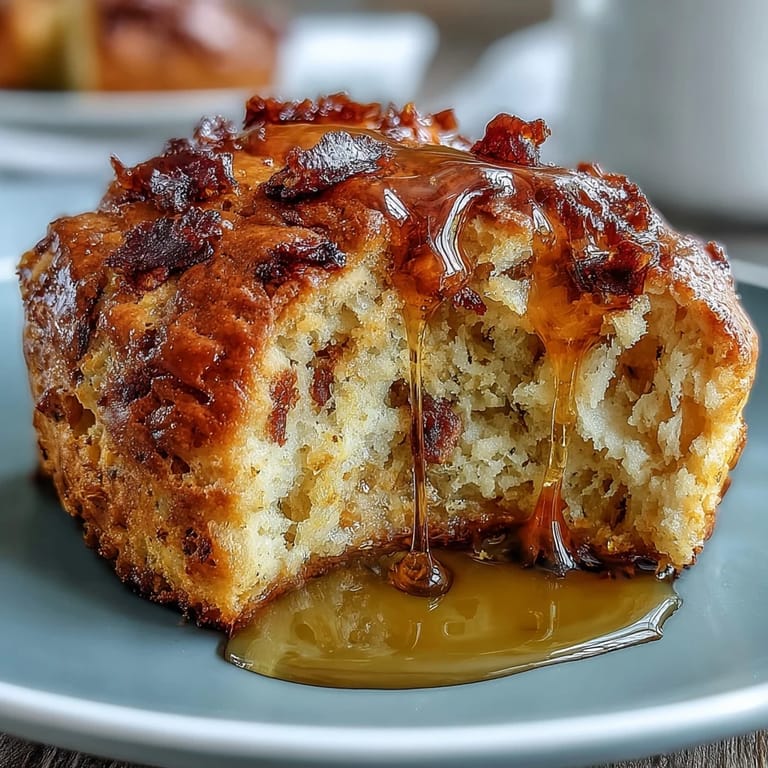
Save There's something that happens when you serve warm scones to people who weren't expecting them—a kind of surprised delight that transforms a simple brunch into something memorable. These scones, with their gentle floral note and that moment when warm clotted cream mingles with honey, somehow turn an ordinary spring morning into something worth remembering.
Foraging and Sourcing Dandelions Thoughtfully
If you're harvesting dandelions from your own yard or a local park, choose flowers that are completely open and unblemished, picking them in the afternoon when they're dry and at their most vibrant. I've learned to taste-test a single petal before committing to a batch—sometimes younger flowers taste slightly sweeter, while mature ones can be assertively bitter. Many farmers markets now carry cultivated dandelion petals in spring, which removes the foraging uncertainty and guarantees they haven't been exposed to pesticides or road salt.
The Science of Tender Scones
Scones are forgiving in their flexibility but demanding in their temperature requirements—the butter must remain in distinct pockets within the dough rather than fully incorporated, and cold milk keeps everything working together smoothly. The moment your hands warm the dough, the butter begins melting, so work quickly and confidently, trusting that minimal mixing creates maximum tenderness. I once spent twenty minutes kneading the dough out of nervousness and ended up with hockey pucks, then learned that the most important ingredient is genuine restraint.
Serving and Storage Secrets
These scones taste absolutely best within hours of baking, served warm or at room temperature with proper clotted cream and honey—they decline after a day, becoming slightly dense in a way that even reheating doesn't entirely reverse. If you do have leftovers, wrap them carefully in a kitchen towel and gently reheat in a 300°F oven for about five minutes. For an elegant brunch, steep a delicate white tea or prepare a light sparkling wine pairing, as these flavors complement the scones' subtle floral character beautifully.
- Make sure dandelion petals are completely dry before using them, or they'll introduce excess moisture and affect texture.
- If your scones spread during baking instead of rising, your butter was too warm—chill everything longer next time.
- Clotted cream should be thick and spoonable; if it's too soft, it wasn't made properly, so seek out a reliable source.
 Save
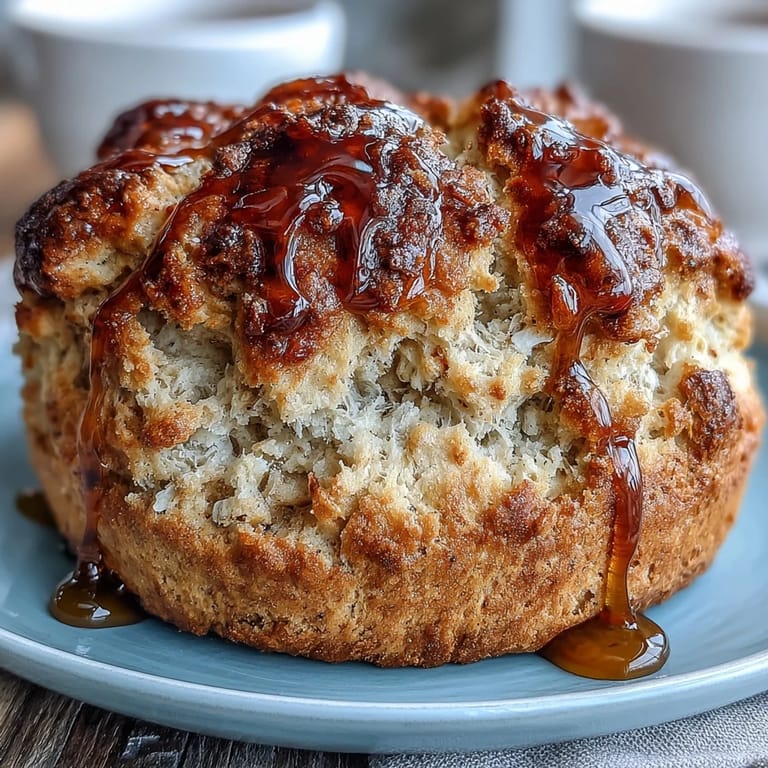
Save Every time I make these scones, I think of that April morning when Sarah handed me a jar of sunshine and changed what I thought was possible in my kitchen. They're easy enough for a quiet weekday breakfast but special enough to make someone feel genuinely celebrated at brunch.
Recipe FAQs
- → What is the best way to prepare dandelion petals?
Use only fresh, fully opened yellow dandelion petals, avoiding green parts to prevent bitterness. Rinse gently to remove dirt before adding to the dough.
- → Can I substitute clotted cream with other toppings?
Yes, whipped cream or mascarpone can be used as alternatives to maintain a rich and creamy complement to the scones.
- → How do I ensure the scones turn out tender and flaky?
Cut cold butter into the dry ingredients until the mixture resembles coarse crumbs and avoid overmixing the dough when combining wet and dry ingredients.
- → What is a good beverage pairing for these scones?
Floral white tea or a light sparkling wine enhances the delicate flavors of dandelion and honey in these scones.
- → How long can scones be stored before losing freshness?
They are best enjoyed the day they are baked to maintain tenderness and flavor but can be stored wrapped at room temperature for up to one day.