 Save
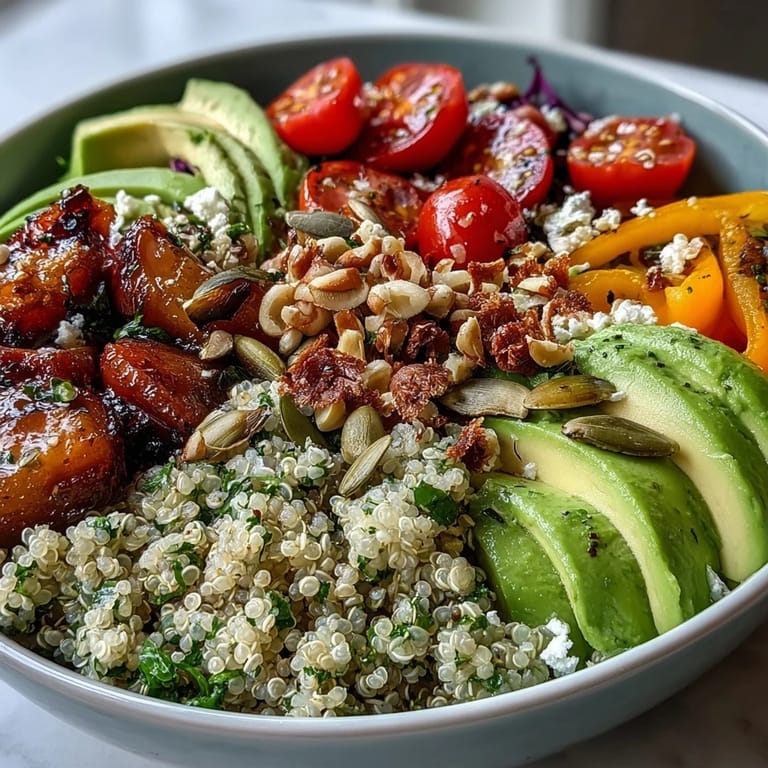
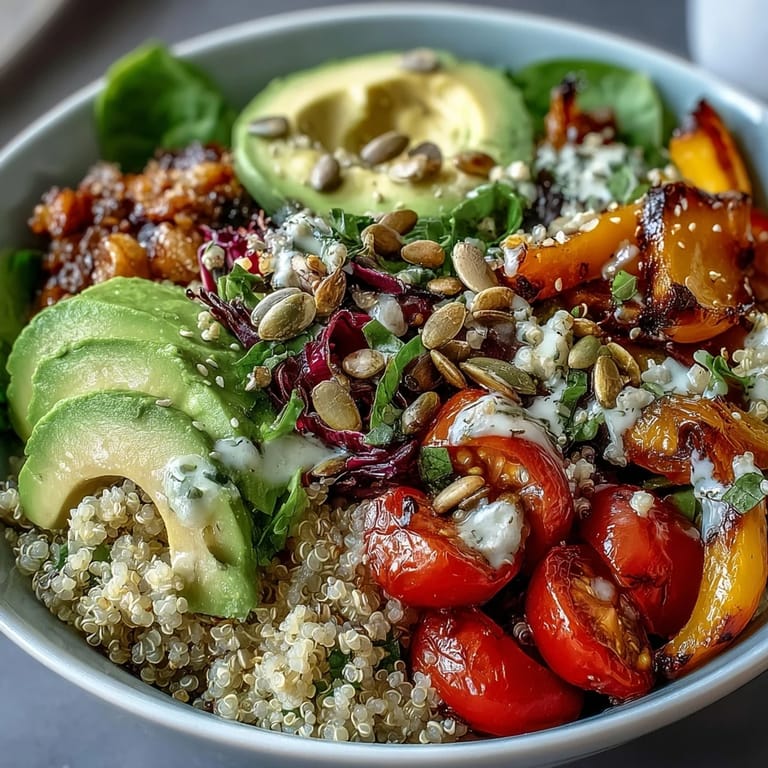
Save My friend Maya showed up to a potluck one afternoon with a bowl so colorful it looked like someone had painted a rainbow onto a plate, and I couldn't stop staring. She caught me mid-gaze and laughed, explaining it was a quinoa buddha bowl shed been experimenting with all week. One bite and I understood the obsession—it wasn't just beautiful, it tasted alive, with each spoonful delivering a different texture and flavor that somehow felt balanced and complete.
I made these for a lunch meeting once, and watching my coworkers actually push back from their desks to focus on eating instead of scrolling was something special. Someone asked for the recipe before dessert even arrived, which tells you everything you need to know about how this bowl manages to be both wholesome and genuinely satisfying.
Ingredients
- Quinoa: Rinse it before cooking—this removes the bitter coating that nobody talks about but everyone notices when it's there.
- Cooked chickpeas: Whether you use canned or cook from scratch, these become crispy-edged little nuggets when they sit with the other ingredients, adding real substance.
- Red cabbage: Slice it paper-thin so it stays bright and doesn't feel like you're chewing through rubber.
- Carrots: Julienning them thin means they actually integrate into the bowl instead of dominating every bite.
- Cherry tomatoes: Halving them releases just enough juice to flavor the grain without making everything soggy.
- Yellow bell pepper: This color is essential—it's what makes people say this looks too pretty to eat, then eat it anyway.
- Cucumber: Fresh and cool, it balances the heavier elements and keeps the whole bowl feeling light.
- Fresh baby spinach: Wilts slightly when warm components touch it, which is exactly what you want texture-wise.
- Avocado: Add this right before serving or it'll turn that sad brownish color and feel mushy.
- Pumpkin seeds: Toasted seeds have personality—they add crunch and a subtle nutty flavor that makes a real difference.
- Sesame seeds: Sprinkle generously at the very end so they stay crispy against warm quinoa.
- Tahini dressing: This is the glue that holds the whole experience together, transforming separate vegetables into something cohesive.
Tired of Takeout? 🥡
Get 10 meals you can make faster than delivery arrives. Seriously.
One email. No spam. Unsubscribe anytime.
Instructions
- Cook the quinoa foundation:
- Bring water to a boil, add rinsed quinoa and salt, then lower the heat and let it simmer covered until the water disappears completely. The grains will look almost translucent when they're done, and fluffing with a fork creates those perfect little air pockets.
- Prep vegetables while everything cooks:
- Get all your slicing and chopping done while quinoa does its thing—you'll feel organized and less frazzled. Arrange everything on a cutting board so you can see the color palette coming together.
- Whisk the magic dressing:
- Combine tahini, lemon juice, maple syrup, garlic, and water in a bowl, whisking until it transforms from thick paste to creamy pour-able sauce. Start with less water than you think you need because you can always add more, but you can't take it back.
- Assemble your rainbow:
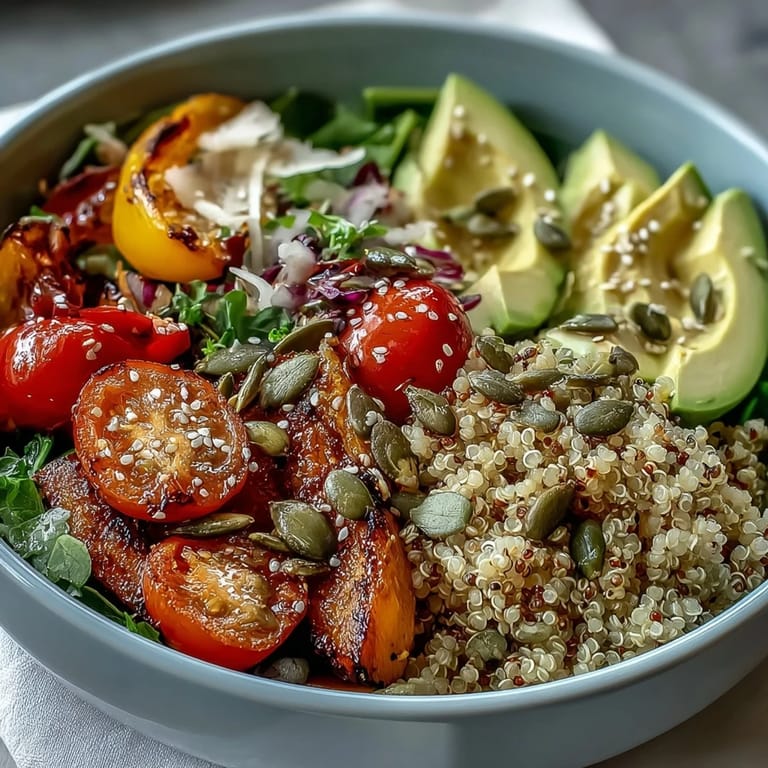
- Divide warm quinoa among bowls, then arrange each vegetable and the chickpeas in distinct sections radiating outward like you're creating art. This isn't just plating—it's how you ensure every spoonful has something different.
- Dress and garnish with intention:
- Drizzle tahini sauce generously over everything, then shower with toasted pumpkin seeds and sesame seeds right before serving. This final step adds texture that keeps the bowl interesting from first bite to last.
 Save
Save There was this moment when I made these for my family during a difficult week, and my teenager actually put their phone down halfway through the bowl. They asked what made it taste so good, and I realized it wasn't any single ingredient—it was that every single element was exactly what it should be, nothing overcooked or forgotten or phoned in. That kind of care shows up in ways you can't quite articulate.
Making It Your Own
This bowl template is forgiving in the best way—you can swap proteins between tofu, tempeh, or roasted chickpeas depending on what's in your kitchen. If you're tired of raw vegetables, roasted sweet potato chunks or steamed broccoli florets slot in beautifully without disrupting the balance. The dressing works with almost anything you put underneath, which means you can build this bowl around what you already have on hand.
The Dressing is Everything
I used to make this salad with basic vinaigrettes, and it never felt complete until I started using tahini-based dressing. Something about the sesame base transforms a vegetable salad into something that feels substantial and intentional. The lemon juice cuts through richness while the maple syrup rounds out the garlic, creating layers that reveal themselves slowly as you eat.
Storage and Make-Ahead Strategy
You can prep everything except the avocado, dressing, and seeds the night before, which removes most of the morning stress. Keep components separated in containers so flavors don't blur together and textures stay distinct until you're actually eating. Assemble fresh when you're ready, because that's when the bowl reaches its full potential.
- Store prepared vegetables in airtight containers on the coldest shelf of your refrigerator for up to two days.
- Make the dressing ahead and refrigerate it—it actually tastes better after the flavors meld overnight.
- Slice avocado only right before serving, and toss it gently so the creamy texture stays intact.
 Save
Save This bowl became my go-to when I needed to feel grounded and nourished without spending hours in the kitchen. It's become the kind of meal that tastes like self-care but doesn't require any pretense or complicated technique.
Recipe FAQs
- → Can I make this bowl ahead of time?
Yes, you can prepare components up to 2 days in advance. Store quinoa, vegetables, and chickpeas separately in airtight containers. Add avocado and dressing just before serving to maintain freshness and prevent sogginess.
- → What other grains can I use instead of quinoa?
Brown rice, farro, bulgur, or cauliflower rice work beautifully. Adjust cooking time accordingly. Each grain brings slightly different texture and nutritional profile to your buddha bowl.
- → How do I store leftovers properly?
Keep assembled bowls without avocado and dressing in the refrigerator for up to 2 days. Store components separately for best results. Reheat quinoa gently or enjoy cold with fresh vegetables added.
- → Can I add different proteins?
Absolutely. Grilled tofu, tempeh, roasted chicken, or hard-boiled eggs make excellent additions. Simply cook your chosen protein separately and arrange it in the bowl during assembly.
- → Is the tahini dressing necessary?
The tahini dressing provides essential creaminess and ties the flavors together. You could substitute with olive oil and balsamic, avocado dressing, or your favorite vinaigrette, but tahini complements the vegetables perfectly.
- → What vegetables can I substitute?
Feel free to use roasted sweet potato, steamed broccoli, shredded beets, radishes, or any seasonal vegetables. The beauty of buddha bowls is their versatility based on what you have available.