 Save
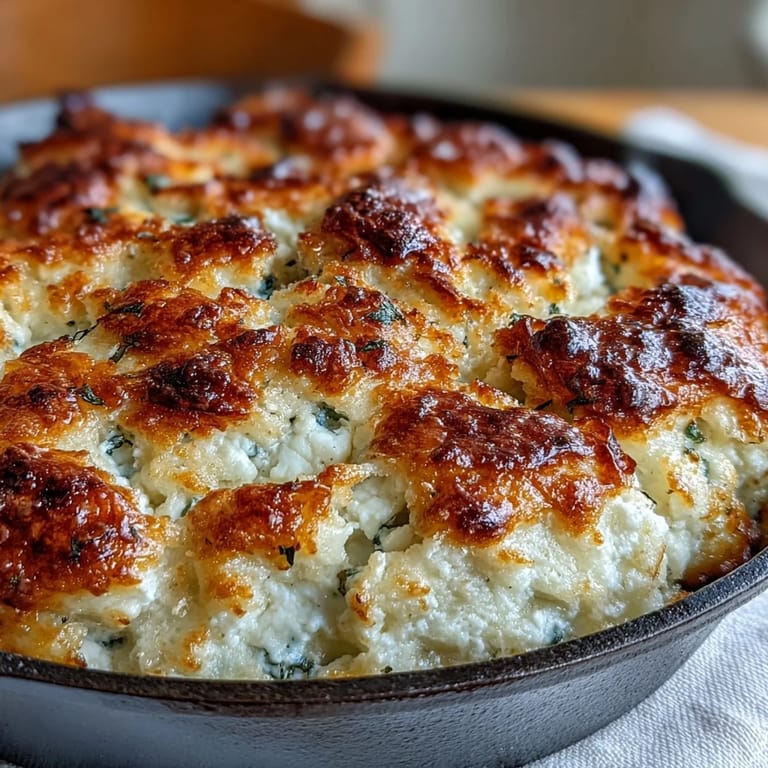
Save The skillet hissed when I dropped the first round of dough in, and I watched tiny bubbles appear like a reverse constellation. I wasn't expecting much—cottage cheese in flatbread sounded odd when my neighbor mentioned it over the fence. But that first bite, still warm and faintly tangy, with just enough chew and fluff, made me forget I'd ever doubted her. Now I keep a tub of cottage cheese in the fridge just for these.
I made a batch on a rainy Tuesday when my kids wanted quesadillas but we were out of tortillas. I rolled the dough between my palms instead of digging out the rolling pin, pressed them flat on the counter, and had four golden rounds ready before the cheese even melted. They didn't notice the swap, and I didn't tell them until the second batch disappeared. Now they ask for the cottage cheese ones by name.
Ingredients
- All-purpose flour: The backbone of the dough, giving structure without making it tough—keep extra nearby for dusting your hands and counter.
- Baking powder: This is what gives the flatbreads their soft, airy lift as they cook, so don't skip it even if it seems like a small amount.
- Fine salt: Balances the tang from the cheese and wakes up the garlic and herbs without shouting.
- Garlic powder: Optional but worth it for a subtle savory note that makes these taste intentional, not plain.
- Full-fat cottage cheese: The surprise star—drain it well or your dough will be too wet, and full-fat gives the best flavor and texture.
- Large egg: Binds everything together and adds richness, plus a little protein boost that makes these more satisfying.
- Olive oil: A tablespoon in the dough keeps it tender, and a little more in the pan creates those beautiful golden spots.
- Fresh chopped herbs: Parsley or chives add flecks of green and a bright, grassy flavor that makes each bite feel alive.
- Water: Use it sparingly, just a teaspoon or two if your dough feels crumbly—humidity and cheese moisture vary, so trust your hands.
Tired of Takeout? 🥡
Get 10 meals you can make faster than delivery arrives. Seriously.
One email. No spam. Unsubscribe anytime.
Instructions
- Mix the dry base:
- Whisk the flour, baking powder, salt, and garlic powder in a medium bowl until there are no streaks. This ensures every bite has even flavor and rise.
- Blend the wet ingredients:
- Combine drained cottage cheese, egg, olive oil, and herbs in a separate bowl, breaking up curds with a fork until mostly smooth. A few small lumps are fine—they melt into the dough.
- Bring the dough together:
- Pour wet into dry and stir gently with a spatula until a shaggy, slightly sticky dough forms. Add water one teaspoon at a time only if it feels too crumbly to hold together.
- Fold and shape:
- Turn dough onto a floured surface and fold it over itself 6 to 8 times—just enough to make it cohesive, not smooth. Over-kneading makes them tough.
- Let it rest:
- Cover the dough ball with a towel or plastic wrap and let it sit for 10 minutes. This relaxes the gluten and makes rolling so much easier.
- Divide and roll:
- Cut the dough into 4 equal pieces, roll each into a ball, then flatten to about a quarter inch thick using a rolling pin or your palms. Dust with flour as needed to prevent sticking.
- Heat the skillet:
- Warm a nonstick or cast-iron skillet over medium heat and brush lightly with olive oil. The pan should be hot but not smoking.
- Cook the first side:
- Place one flatbread in the skillet and cook for 2 to 3 minutes until bubbles form and the underside turns golden brown. Don't press down—let it puff naturally.
- Flip and finish:
- Flip carefully and cook another 1 to 2 minutes until golden and cooked through. Adjust the heat if they brown too fast or stay pale.
- Keep warm and repeat:
- Transfer cooked flatbread to a plate and cover with a clean towel to keep it soft. Repeat with remaining dough, adding a little more oil to the pan between batches.
 Save
Save One evening I spread one of these with hummus, rolled it around some roasted vegetables, and ate it standing by the stove. My husband walked in and asked if I'd ordered takeout. I just smiled and handed him one still warm from the skillet, and we stood there in the quiet kitchen, tearing into them like we'd discovered something secret and delicious.
How to Store and Reheat
These keep surprisingly well in an airtight container in the fridge for up to three days, and I've frozen them for a month without any loss of texture. When I reheat them, I use a dry skillet over medium-low heat for about 30 seconds per side, or wrap one in a damp paper towel and microwave for 15 seconds. Either way, they come back soft and ready to fold around whatever leftovers I have on hand.
Flavor Variations to Try
I've stirred in finely chopped spinach for green-flecked rounds that my kids call dinosaur bread, and once I added minced sun-dried tomatoes which gave them a sweet, tangy punch. You can swap the herbs for za'atar or everything bagel seasoning, or leave them plain and brush with garlic butter right off the skillet. Each version feels like a different meal even though the base is exactly the same.
Serving Suggestions
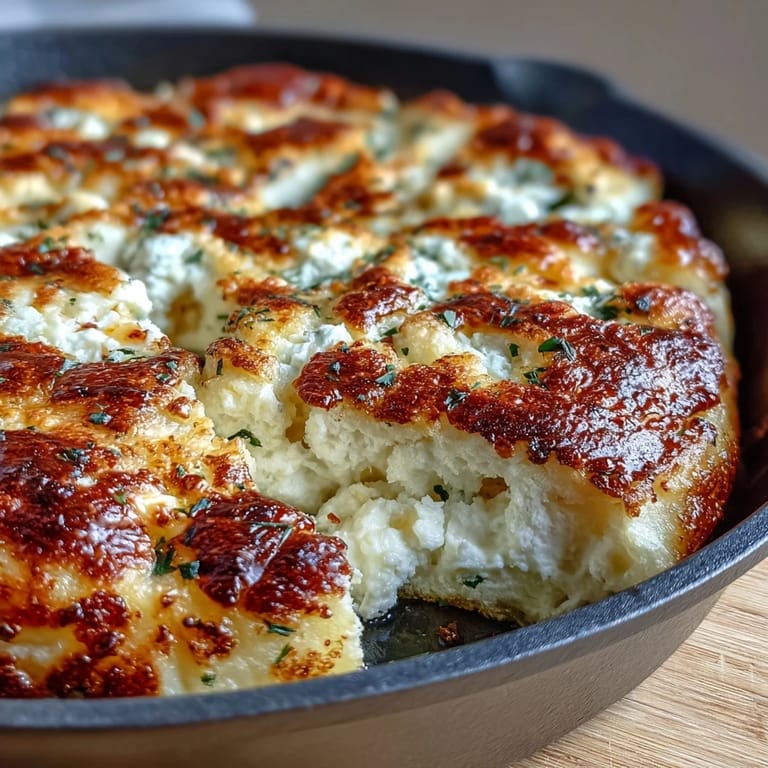
I use these for wraps stuffed with grilled chicken and lettuce, or tear them into wedges and dip into baba ganoush or tzatziki. My favorite trick is turning them into quick pizzas—I spread marinara, sprinkle cheese, and bake at 425 degrees for 8 to 10 minutes until bubbly. They crisp up at the edges but stay chewy in the center, and somehow taste better than delivery.
- Serve alongside soup or chili for a cozy, complete meal.
- Use as a base for breakfast wraps with scrambled eggs and avocado.
- Brush with melted butter and sprinkle with flaky salt for a simple side.
 Save
Save These flatbreads have earned a permanent spot in my weekly rotation, not because they're fancy, but because they're reliably good and always feel homemade. I hope they become one of those recipes you turn to without thinking, the kind that makes an ordinary night feel a little warmer.
Recipe FAQs
- → Can I make the dough ahead of time?
Yes, prepare the dough and refrigerate it for up to 24 hours before rolling and cooking. Let it come to room temperature for about 15 minutes before shaping.
- → What can I use instead of cottage cheese?
Greek yogurt or ricotta work well as substitutes. Both provide similar moisture and protein content, though the texture may vary slightly.
- → How do I prevent flatbreads from becoming tough?
Avoid over-kneading the dough—fold just enough to bring it together. Cook over medium heat, not high, and cover cooked rounds with a towel to keep them soft.
- → Can I bake these instead of using a skillet?
Bake at 400°F for 8-10 minutes on a preheated baking sheet. They won't develop the same bubbly char, but will still be tender and delicious.
- → What's the best way to freeze leftovers?
Layer cooked flatbreads between parchment paper in a freezer bag. Reheat directly from frozen in a warm skillet or microwave with a damp paper towel.
- → Why is my dough too sticky to handle?
Add water gradually—only 1 teaspoon at a time. If dough becomes too sticky, dust your hands and work surface lightly with flour while shaping.