 Save
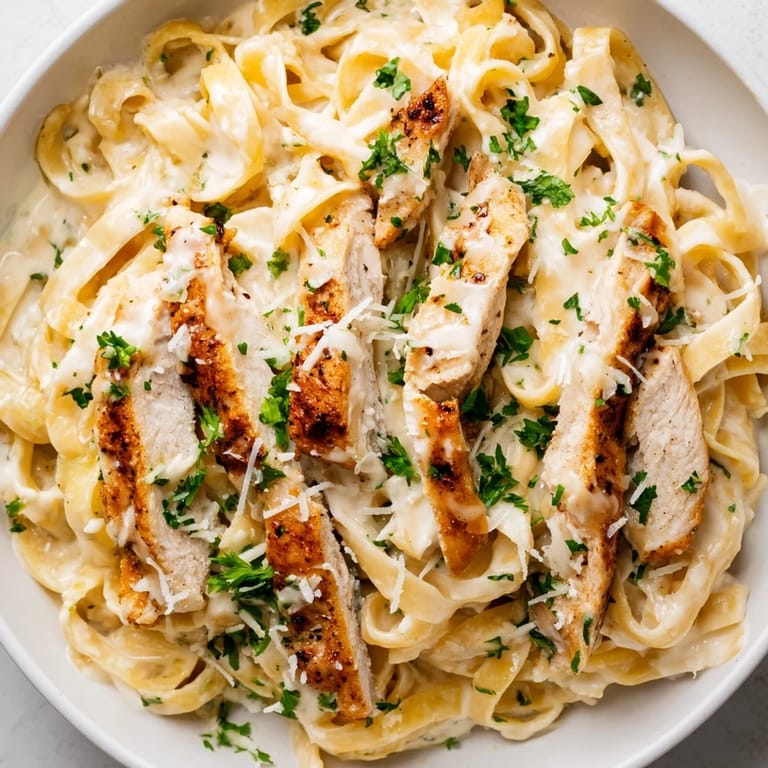
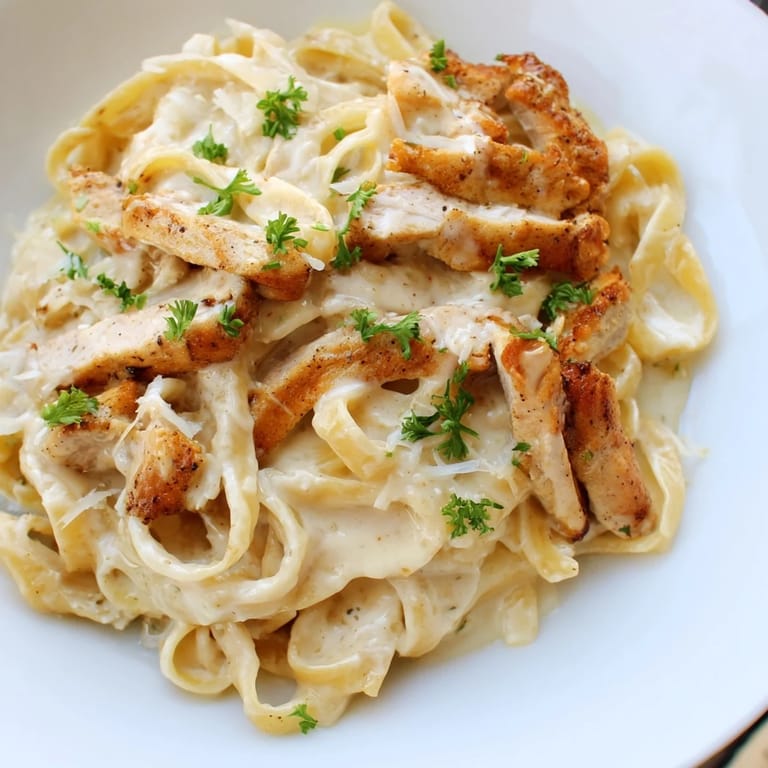
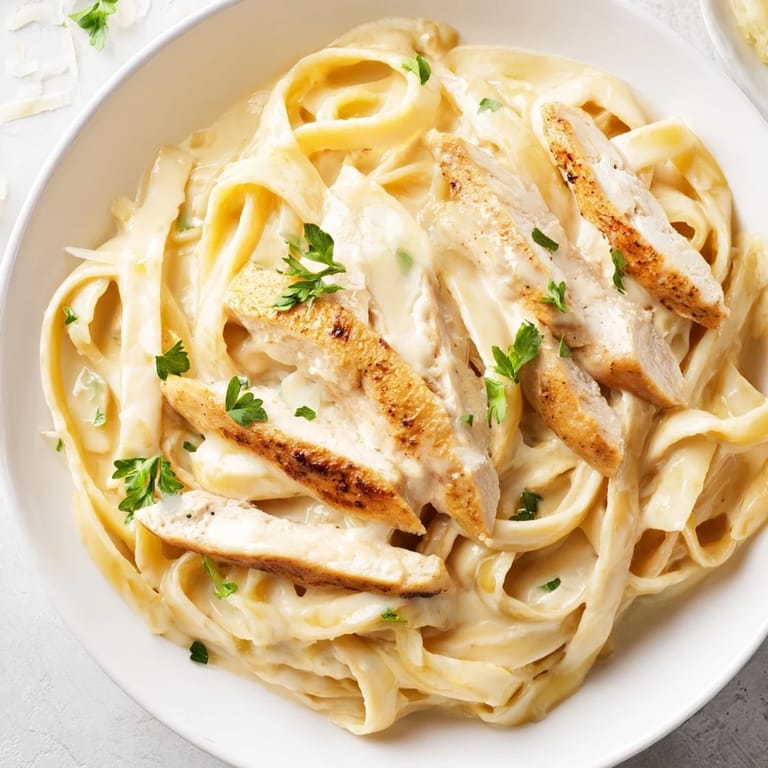
Save My neighbor once knocked on my door holding a half-empty bottle of Cajun seasoning and asked if I could do something with it besides gumbo. That afternoon, we threw together what became this creamy, spicy comfort dish that neither of us could stop eating. The way the heat from the spices cuts through the richness of the Alfredo turned into one of those happy accidents you end up making on purpose every other week. It's messy, it's bold, and it's exactly the kind of dinner that makes you forget to set the table properly. I've been tweaking it ever since, and it still tastes like that impulsive Wednesday experiment.
I made this for a small dinner party once, and one guest scraped her plate so thoroughly I thought she might lick it. She later confessed she'd been skeptical about mixing Cajun and Alfredo, but the way the garlic mellowed the spice made her rethink everything. That night, we ate with the kitchen windows open and the sound of rain starting outside. It's funny how certain meals end up feeling like the backdrop to a memory you didn't know you were making. Now every time I hear rain on the roof, I think about that skillet and the quiet way everyone went back for seconds.
Ingredients
- Boneless, skinless chicken breasts: These cook fast and soak up the Cajun rub beautifully, but make sure to pound them to even thickness so they don't dry out on one end.
- Cajun seasoning: This is where all the personality lives, so use a blend you actually like the taste of on its own, not just whatever's been sitting in your cabinet since 2019.
- Olive oil: Keeps the chicken from sticking and adds a subtle richness without competing with the butter later.
- Fettuccine or linguine: The flat noodles grab onto the sauce in a way that makes every bite creamy, but penne works in a pinch if that's what you have.
- Unsalted butter: Gives you control over the salt level, especially since Cajun seasoning and Parmesan both bring their own.
- Garlic: Fresh minced garlic blooms in the butter and creates that aromatic base the whole sauce is built on.
- Heavy cream: This is non-negotiable for true Alfredo texture, so don't try to swap in milk or half-and-half unless you want soup.
- Parmesan cheese: Freshly grated melts smoothly and tastes sharper, the pre-shredded stuff has additives that can make the sauce grainy.
- Black pepper and salt: Season as you go, tasting the sauce before you add the pasta so you don't end up over-salting.
- Red pepper flakes: Optional but recommended if you want a little extra tingle that sneaks up on you.
- Fresh parsley: Adds a pop of color and a hint of freshness that balances all that richness at the end.
Tired of Takeout? 🥡
Get 10 meals you can make faster than delivery arrives. Seriously.
One email. No spam. Unsubscribe anytime.
Instructions
- Cook the pasta:
- Bring a large pot of salted water to a rolling boil and add your fettuccine, cooking it until it's just al dente with a little bite left in the center. Reserve half a cup of that starchy pasta water before draining, it's your secret weapon if the sauce gets too thick later.
- Prepare the chicken:
- Pat the chicken breasts completely dry with paper towels, then rub them all over with Cajun seasoning until they're evenly coated. Let them sit for a minute while you heat the skillet so the spices can start to stick.
- Sear the chicken:
- Heat olive oil in a large skillet over medium-high heat until it shimmers, then lay the chicken in gently and let it cook undisturbed for 5 to 6 minutes per side until golden and the internal temperature hits 165 degrees. Pull it out, let it rest a few minutes, then slice it into strips so the juices redistribute.
- Make the Alfredo sauce:
- In the same skillet, melt butter over medium heat and toss in the minced garlic, stirring for about 30 seconds until it smells amazing but hasn't browned. Pour in the heavy cream, whisking constantly, and bring it to a gentle simmer without letting it boil or it might break.
- Finish the sauce:
- Stir in the Parmesan, black pepper, salt, and red pepper flakes if you're using them, letting everything simmer for 2 to 3 minutes until the sauce thickens enough to coat the back of a spoon. If it gets too thick, add reserved pasta water a tablespoon at a time until it loosens up.
- Combine everything:
- Toss the cooked pasta into the skillet and stir it around until every strand is coated in sauce, then add the sliced Cajun chicken and toss again. Serve it right away, topped with chopped parsley and extra Parmesan.
 Save
Save One night, my brother came over unannounced and I had just finished making this. He sat at the counter, ate an entire serving in near silence, then looked up and said it tasted like something he'd pay too much for at a restaurant. It wasn't a fancy compliment, but it's the kind that sticks with you because it's honest. We ended up talking for two hours with the empty skillet still on the stove, and I realized that's what good food does—it buys you time with people. That's when this dish stopped being just dinner and started being something I made when I wanted someone to stay a little longer.
Adjusting the Heat
Cajun seasoning varies wildly depending on the brand, so taste a pinch before you coat the chicken. If it's too mild, add a little cayenne or extra red pepper flakes to the sauce. If it's blazing hot, cut it with a bit of paprika or garlic powder to mellow it out without losing the flavor. I've learned to keep a small bowl of sour cream on the table for guests who underestimate their spice tolerance, it cools things down without watering anything down. The goal is a warm tingle, not a fire drill.
Making It Your Own
This recipe is forgiving enough to handle all kinds of tweaks. I've stirred in sautéed bell peppers for color, wilted spinach for something green, and even swapped the chicken for shrimp when I had some thawing in the fridge. My friend who doesn't eat meat uses firm tofu pressed and cubed, and it soaks up the Cajun rub surprisingly well. You can also add sun-dried tomatoes or a squeeze of lemon at the end if you want a little brightness to cut through the cream. The base is solid enough that you can play around without breaking anything.
Storing and Reheating
Leftovers keep in the fridge for up to three days in an airtight container, and they reheat better than most creamy pastas. Add a splash of cream or milk and a tablespoon of pasta water when you warm it up in a skillet over low heat, stirring gently until it loosens. The microwave works too, but go low and slow, stirring every 30 seconds so the sauce doesn't separate. I've even eaten this cold straight from the fridge during a late-night fridge raid, and while it's not ideal, it's still weirdly satisfying.
- Store the chicken and pasta together or separately depending on how you plan to use the leftovers.
- Freeze individual portions in freezer-safe containers for up to two months, then thaw overnight in the fridge before reheating.
- If the sauce looks broken after reheating, whisk in a little warm cream and it'll come back together.
 Save
Save This dish has become the thing I make when I want to feel like I'm taking care of someone, including myself. It's rich enough to feel like a treat but easy enough that it doesn't ask too much of you after a long day.
Recipe FAQs
- → How do I prevent the Alfredo sauce from breaking or becoming too thick?
Keep the heat at medium and whisk constantly when adding cream to prevent scorching. If the sauce thickens too much, gradually stir in reserved pasta water one tablespoon at a time until you reach the desired consistency. Avoid boiling, which can cause the cream to separate.
- → Can I make this dish ahead of time?
While best served immediately, you can prepare components separately. Cook pasta and chicken in advance, then store them covered in the refrigerator. Prepare the Alfredo sauce fresh just before serving and combine all elements on the stovetop over medium heat.
- → What's the best way to ensure chicken is cooked through?
Use a meat thermometer to check that the internal temperature reaches 165°F (74°C). Pat chicken dry before seasoning to promote even browning. Allow 5-6 minutes per side over medium-high heat for standard-sized breasts.
- → How can I adjust the heat level in this dish?
Control spiciness by varying the amount of Cajun seasoning on the chicken or adding red pepper flakes to the sauce. Start conservatively and taste as you go. You can also offer extra seasoning at the table for individual preference.
- → What wines pair well with this meal?
Crisp white wines like Sauvignon Blanc complement both the creamy sauce and spiced chicken beautifully. Pinot Grigio or Unoaked Chardonnay are excellent alternatives that won't overpower the dish's delicate balance of flavors.
- → Can I substitute other proteins for chicken?
Absolutely. Shrimp works wonderfully with Cajun seasoning and requires only 2-3 minutes per side. Tofu provides a vegetarian option—press firmly and pan-fry until golden before seasoning. Adjust cooking times based on your chosen protein.