 Save
Save I discovered panna cotta by accident at a farmers market in late April, where a local pastry chef was giving away samples of honey lavender versions in tiny spoons. The combination of that gentle floral note with the sweetness of honey was so unexpected that I went home determined to recreate it. What started as an experimental weekend dessert has become my go-to when I want to impress without spending hours in the kitchen. The magic of panna cotta is its simplicity, yet it tastes like you've been stirring cream and dreams all afternoon.
Last spring, my friend Sarah mentioned she'd never had panna cotta before, so I made a batch for her birthday dinner. When she took her first spoonful, her eyes actually closed for a moment, and she said it tasted like eating a cloud that had absorbed sunshine. That's when I realized this dessert works because it's so delicate it practically melts on your tongue before your brain fully registers what's happening. Sometimes the simplest things we make in our kitchens create the most memorable moments.
Ingredients
- Heavy cream: Use the full-fat version because it's the foundation of that silky texture; don't be tempted to use half-and-half or you'll lose the richness.
- Whole milk: This balances the heaviness of the cream and keeps the panna cotta from feeling too dense.
- Honey: Beyond sweetness, it brings a subtle caramel note that enhances the lavender rather than overpowering it.
- Dried culinary lavender: This is essential, not a decoration; source it from a specialty spice shop or trusted online vendor to ensure it's food-grade.
- Pure vanilla extract: Skip the imitation version here because it actually matters in such a minimalist dessert.
- Unflavored powdered gelatin: The unflavored part is crucial so the lavender and honey shine without competing flavors.
- Cold water: This activates the gelatin properly and prevents lumps from forming later.
Tired of Takeout? 🥡
Get 10 meals you can make faster than delivery arrives. Seriously.
One email. No spam. Unsubscribe anytime.
Instructions
- Bloom the gelatin:
- Sprinkle the gelatin powder over cold water in a small bowl and let it sit undisturbed for five minutes. This allows the gelatin granules to absorb water and swell, which prevents clumping when you add it to the warm cream mixture.
- Infuse the cream:
- Combine the heavy cream, whole milk, honey, and dried lavender in a medium saucepan over medium-low heat, stirring occasionally until the mixture just begins to steam. You'll notice the aroma of lavender rising with the steam, and that's your signal to remove it from heat immediately and cover the pan so the flavors can steep gently for about ten minutes without the mixture continuing to heat.
- Strain out the lavender:
- Pour the infused mixture through a fine-mesh sieve to catch all the lavender buds, pressing gently on them with the back of a spoon to extract any remaining flavor. Return the strained liquid to the saucepan, and this is when you'll notice how the cream has taken on a faint purple hue.
- Dissolve the gelatin:
- Add your bloomed gelatin to the warm cream mixture and stir constantly until every speck has dissolved completely, which usually takes about two minutes. Once you've added the vanilla extract and everything looks smooth and unified, you're ready to pour.
- Set in the ramekins:
- Divide the mixture evenly among four ramekins or dessert glasses, then allow them to cool to room temperature on the counter for about thirty minutes before covering and sliding them into the refrigerator. They need at least four hours to set, though overnight is even better because the texture becomes more stable.
- Unmold and serve:
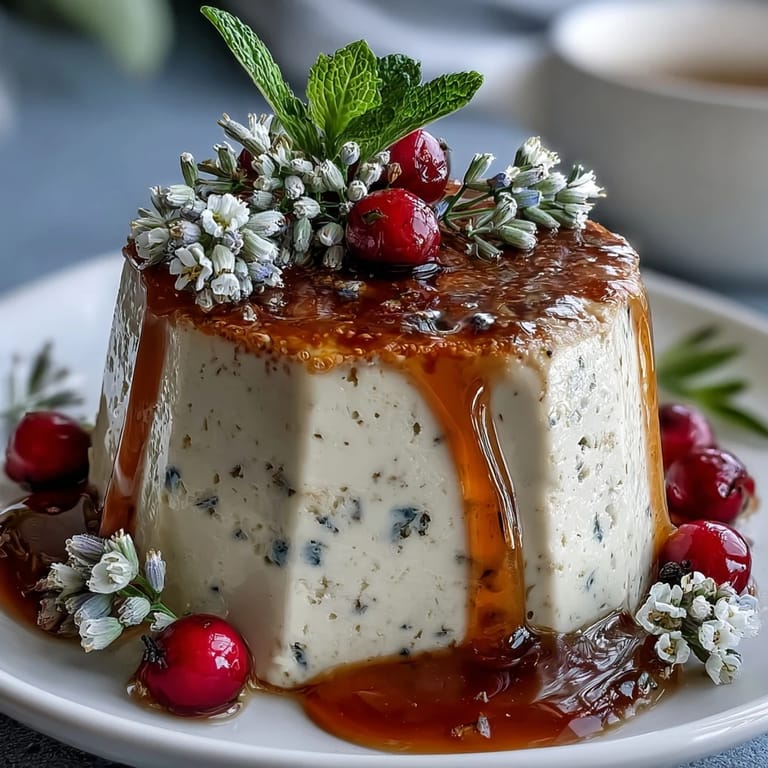
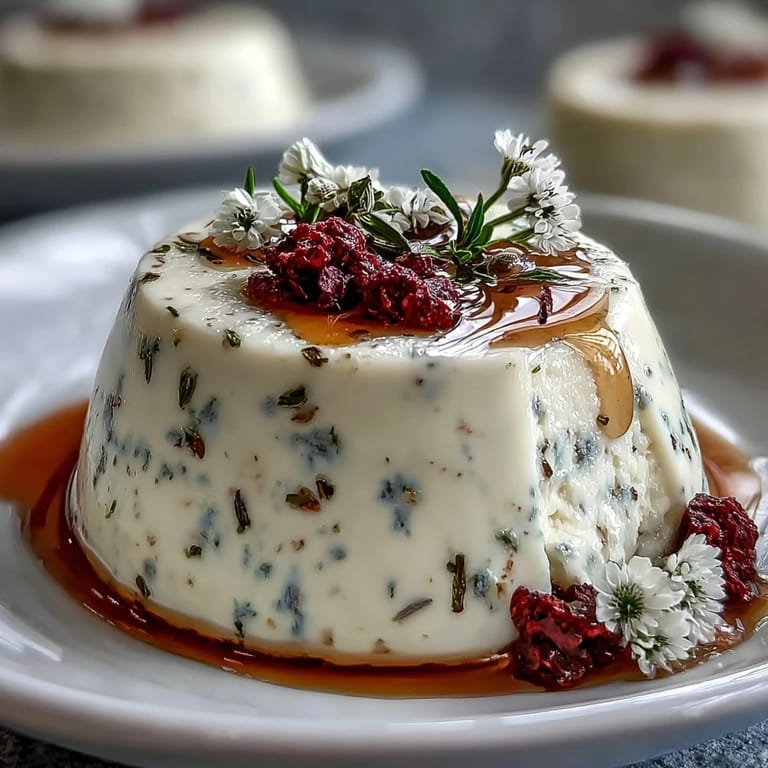
- To release panna cotta from ramekins, run a thin knife around the inside edge and invert onto a plate, or simply serve them directly in the glasses with garnishes scattered on top. The choice depends on how fancy you're feeling and whether you trust your kitchen's temperature control that day.
 Save
Save I once brought panna cotta to a potluck and watched it become the first thing to disappear, even before the chocolate cake someone spent three hours assembling. There's something about serving something so silky and refined that makes people feel genuinely special, and it requires barely any of your energy.
Choosing the Right Honey
The honey you select genuinely influences the final flavor profile. Standard clover honey is reliable and sweet without competing flavors, but I've experimented with orange blossom and acacia honey with lovely results. The rule I've learned is that if you love how the honey tastes on its own, you'll probably love it in this dessert, so taste before committing to a full batch.
The Science of Steeping
Steeping works by allowing flavor compounds from the lavender to infuse into the fat of the cream, which is why the cream base is essential to this recipe. I once tried steeping lavender in cold milk overnight and got almost no flavor because those compounds need warmth to release properly. The ten-minute window after heat is removed is the sweet spot where you get maximum flavor without bitterness creeping in.
Garnishing Like You Mean It
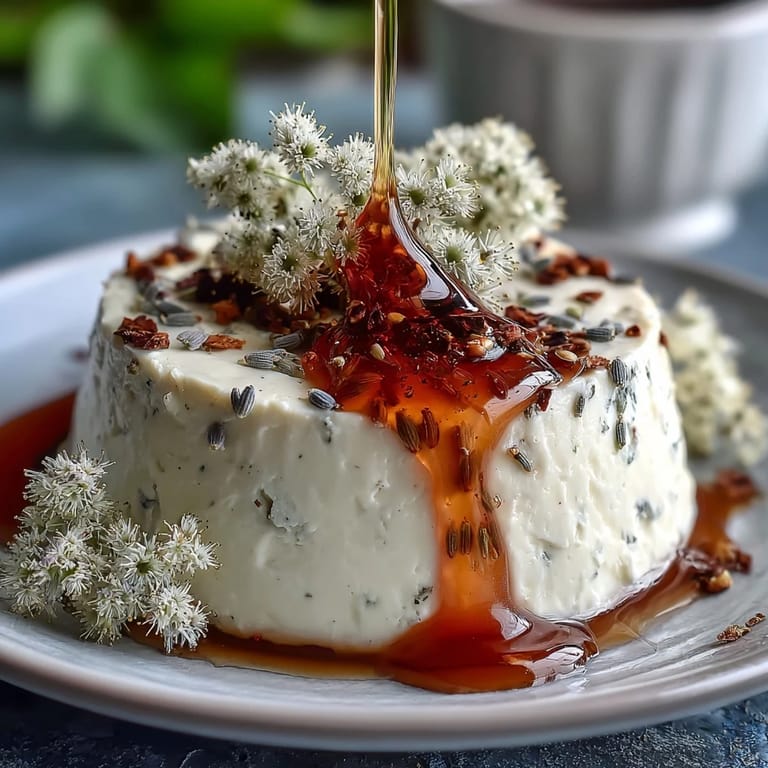
The garnish isn't just decoration; it's your last chance to add textural contrast and visual interest to something that's otherwise uniformly silky. Fresh berries bring tartness that brightens the lavender sweetness, while candied violets or fresh edible flowers echo the floral theme and look sophisticated enough to make guests think you've trained in pastry school. I always drizzle extra honey in a thin stream because it catches light beautifully and hints at the flavors waiting below.
- Edible flowers like pansies, violas, or candied violets add color and reinforce the floral theme without extra preparation.
- Fresh berries like raspberries, blueberries, or strawberries provide a tart counterpoint that prevents the dessert from feeling too rich.
- A final honey drizzle should be done just before serving so it stays glossy rather than soaking into the panna cotta.
 Save
Save This panna cotta has become my favorite dessert to make because it feels effortless yet tastes like spring captured in a spoon. Every time I watch someone experience that first silky bite, I remember why I love cooking things that bring quiet joy.
Recipe FAQs
- → How do I properly bloom gelatin for this dessert?
Sprinkle gelatin over cold water and let it sit for about 5 minutes until it swells before mixing it into the warm cream mixture.
- → Can I use fresh lavender instead of dried?
Fresh lavender can be used but in smaller amounts to avoid overpowering the delicate flavor. Steep gently to extract essence.
- → What are good garnishes for this creamy treat?
Fresh berries, edible flowers, and a light drizzle of honey complement the smooth texture and floral notes well.
- → Is it possible to make a dairy-free version?
Yes, substitute heavy cream and milk with full-fat coconut milk and replace gelatin with agar agar for a vegan-friendly variation.
- → How long should it chill before serving?
Chill in the refrigerator for at least 4 hours or until fully set for the best silky texture.